
- Columbus, OH / We cover the entire state of Ohio
- Mon to Friday: 8:00 am - 5:00 pm
When Small Cracks Become Big Structural Problems
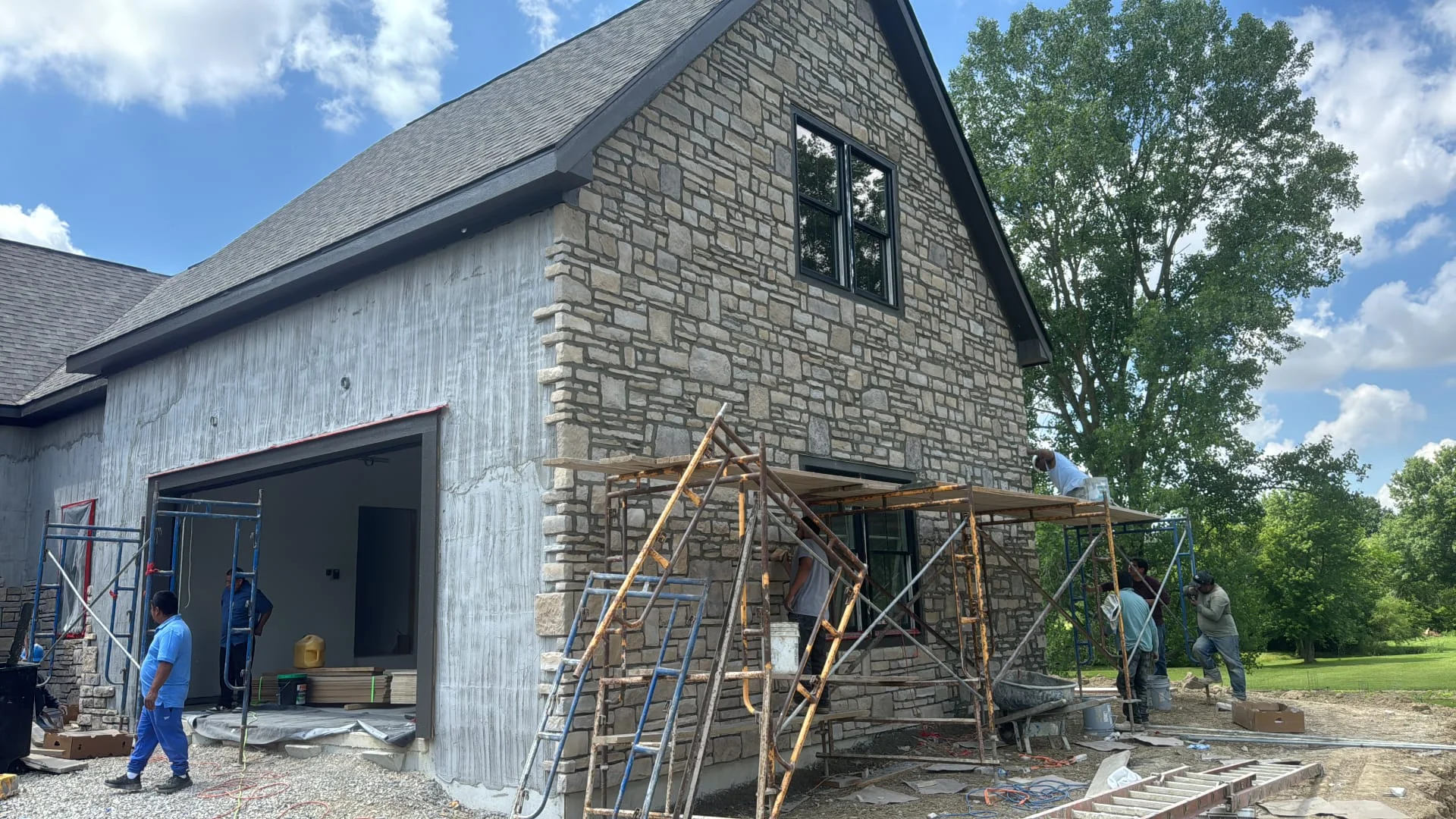
When Small Cracks Become Big Structural Problems
Small cracks in your home may seem like minor cosmetic issues, but they can be the first warning signs of deeper structural trouble. A thin line across a wall or floor can gradually widen, allowing moisture to seep in, weakening support systems, and even threatening the integrity of your foundation. The longer these cracks go untreated, the more extensive—and expensive—the repairs can become.
In this post, we’ll explore why even small cracks deserve your attention, what typically causes them, and how to recognize when they’re signaling a serious structural issue.
Why Small Cracks Should Never Be Ignored
Cracks are common in homes, especially as materials expand, settle, or age. However, ongoing cracking or widening lines may indicate bigger issues beneath the surface. Leaving them untreated can lead to:
Foundation movement: Shifting soil or uneven settling can cause cracks to expand and compromise your home’s support system.
Moisture intrusion: Even hairline cracks can allow water to enter, leading to mold, rot, or further structural weakening.
Weakened walls or floors: Cracks in load-bearing elements can reduce stability and create safety hazards.
Higher repair costs: Early repairs are affordable—major structural damage is not.
Lower property value: Visible cracking raises concerns for inspectors and potential buyers.
Addressing the cause early on protects your home and your budget.
Common Causes of Structural Cracks
Professional contractors focus on understanding the source of a crack to determine the right repair solution. Here are the most common causes:
1. Foundation Settlement
As soil beneath your home shifts, shrinks, or expands, it can cause uneven settling. This often results in diagonal wall cracks, sticking doors, or uneven floors.
2. Moisture and Drainage Problems
Poor drainage, plumbing leaks, or excess groundwater increase pressure against your foundation, creating cracks or causing walls to bow inward.
3. Seasonal Temperature Changes
Freeze–thaw cycles cause materials to expand and contract, putting stress on concrete, brick, and drywall.
4. Aging or Poor-Quality Materials
Older homes or properties built with improper construction techniques may experience cracks as materials wear out over time.
5. Structural Modifications or Heavy Loads
Renovations, removed walls, or excessive weight on floors can lead to stress cracks if not properly reinforced.
How to Know If a Crack Is a Structural Problem
Not every crack means trouble—but some are red flags that require professional attention. You may need structural repair if you notice:
Cracks wider than 1/8 inch
Horizontal cracks or stair-step cracks in foundation walls
Doors or windows that suddenly stick or won’t latch
Uneven or sloping floors
Gaps forming between walls and ceilings
Cracks that continue spreading or widening
Ignoring these early signs can lead to severe damage, so it’s best to take action quickly.
Protect Your Home with Professional Structural Repair
At Alonzo Contractors Inc., we specialize in long-lasting structural repair solutions that restore stability and protect your home from future damage. Our team uses proven techniques and high-quality materials to stop cracking at its source—whether you need reinforcement, leveling, or targeted structural repairs.
Contact us today for a free inspection and learn how we can help keep your home strong, secure, and protected for years to come.

We are dedicated to improving and protecting what you value most: your home.
Our Services
Share:
Columbus, OH - We cover the entire state of Ohio
Call Us:
Email Us:

Serving the entire state of Ohio from our base in Columbus, we are proud to offer licensed and insured services around the clock by appointment only
Services
Information
- Primary Phone: (614) 849-5780
- Secondary Phone (614) 593-2801
- contactalonzocontractor@gmail.com
- info@alonzocontractorsinc.com
- Residential Services
- Monday to Saturday 7:00 AM a 7:00 PM
- 24/7 service by appointment only
- Licensing and Insurance
- Cash, Check & Credit Card
- Free Estimate